
Seasonal Flowers & Advice
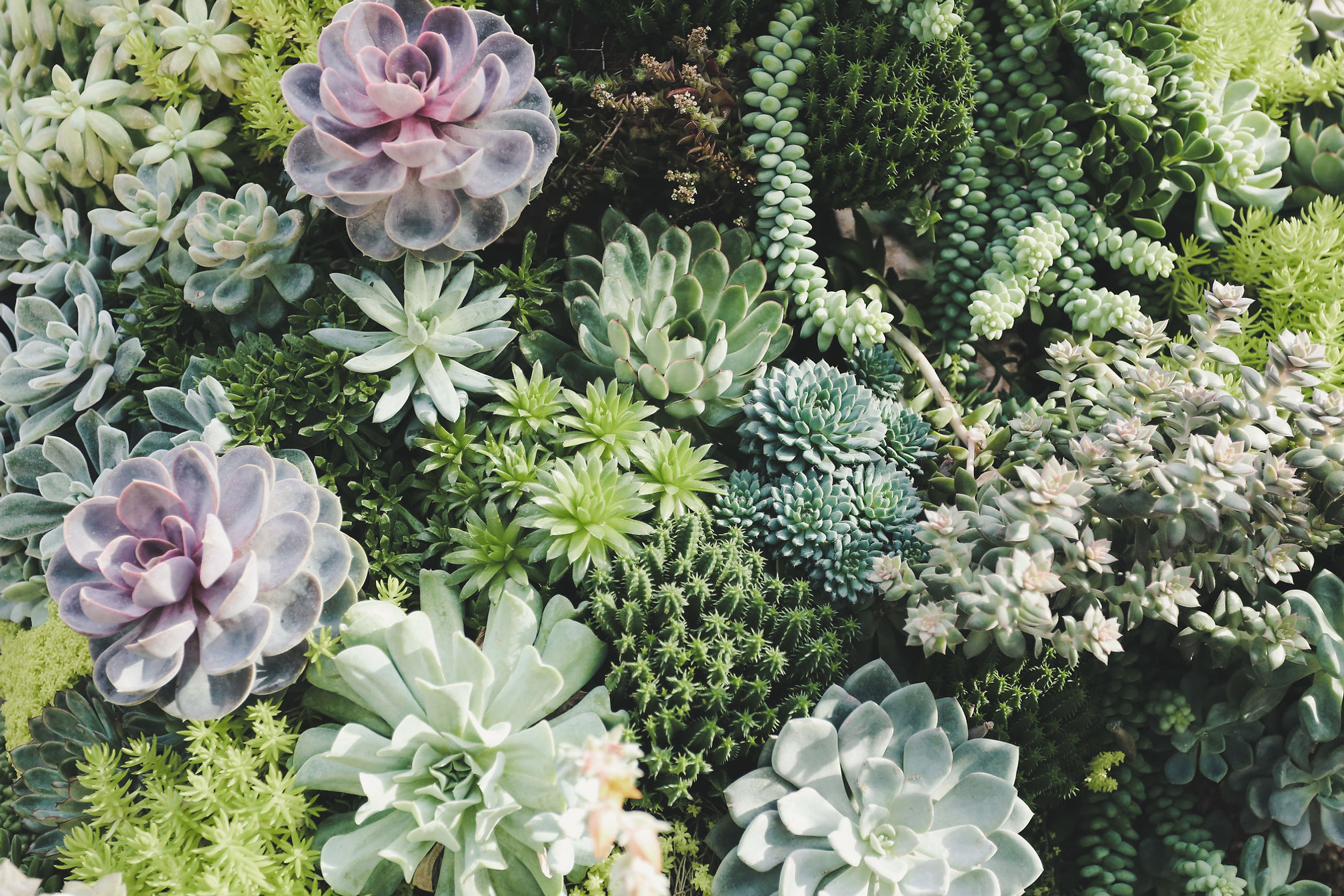

General Houseplant Care Guide
Houseplants improve indoor air quality, enhance well-being, and add natural beauty to living spaces. While individual species have specific needs, most houseplants thrive when a few core care principles are followed.
1. Light Requirements
Light is the most critical factor for plant health.
-
Most houseplants prefer bright, indirect light
-
Place plants near windows where they receive daylight without direct sun exposure
-
Direct sunlight can scorch leaves, while insufficient light slows growth and causes leaf drop
General indicators:
-
Pale or leggy growth → insufficient light
-
Burnt or crispy leaves → excessive direct sun
-
2. Watering Practices
Improper watering is the most common cause of houseplant failure.
-
Water only when the top 2–5 cm (1–2 inches) of soil is dry
-
Water thoroughly until excess drains from the bottom
-
Avoid leaving plants standing in water
Key considerations:
-
Overwatering leads to root rot
-
Underwatering causes wilting and dry leaf edges
-
Water needs vary with season, light, and temperature
-
3. Soil and Drainage
Healthy roots require both moisture and oxygen.
-
Use well-draining potting mix appropriate for indoor plants
-
Pots must have drainage holes
-
Avoid compacted or garden soil indoors
Repot when roots become crowded or grow out of drainage holes, typically every 1–2 years.
4. Temperature and Humidity
Most houseplants originate from tropical or subtropical environments.
-
Ideal temperature range: 18–27°C (65–80°F)
-
Avoid sudden temperature changes
-
Keep plants away from heaters, air conditioners, and cold drafts
Many plants benefit from moderate humidity, especially during winter months.
5. Fertilization
Plants require nutrients during active growth periods.
-
Fertilize during spring and summer
-
Use a balanced, water-soluble fertilizer
-
Apply at half the recommended strength
-
Do not fertilize stressed or dormant plants
6. Pruning and Maintenance
Routine care supports long-term plant health.
-
Remove dead or yellowing leaves
-
Trim leggy growth to encourage fuller plants
-
Clean leaves periodically to remove dust and improve photosynthesis
-
Rotate plants for even growth
7. Pest Prevention and Monitoring
Common indoor pests include spider mites, aphids, and mealybugs.
-
Inspect plants regularly, especially leaf undersides
-
Isolate new plants before introducing them to others
-
Treat infestations early with appropriate methods (e.g., insecticidal soap)
8. Consistency and Observation
Houseplants respond best to stable conditions.
-
Avoid frequent relocation
-
Adjust care gradually
-
Observe changes in leaves, growth rate, and soil moisture
Healthy plants show steady growth, firm leaves, and consistent coloration.
Summary
Successful houseplant care relies on:
-
Proper light exposure
-
Thoughtful watering
-
Good drainage and soil
-
Stable environmental conditions
-
Regular but minimal maintenance
Understanding these fundamentals allows most indoor plants to thrive with minimal intervention.
Pets and Flowers: Safety Guide for Homes with Animals
Flowers and houseplants add beauty to indoor spaces, but some can pose risks to household pets. Dogs, cats, and other animals may chew leaves, dig in soil, or ingest pollen and water from vases. Understanding which plants are safe — and how to manage exposure — is essential for pet-friendly homes.
1. Why Flower Safety Matters for Pets
Pets explore their environment with their mouths. Even non-toxic plants can cause digestive upset if eaten in large amounts, while some flowers can lead to serious health complications.
Risks include:
-
Vomiting and diarrhea
-
Oral irritation or drooling
-
Lethargy or loss of appetite
-
Organ damage (in severe cases)
Cats are particularly sensitive to plant toxins, while dogs are more likely to chew larger quantities.
2. Common Flowers That Are Toxic to Pets
Some popular flowers should be avoided in pet households.
Highly Toxic to Cats (and often Dogs)
-
Lilies (all varieties)
-
Tulips (especially bulbs)
-
Hyacinths
-
Daffodils
-
Sago palm (technically not a flower, but often included in décor)
Toxic to Dogs and Cats
-
Chrysanthemums
-
Azaleas and rhododendrons
-
Oleander
-
Foxglove
-
Calla lilies
Even small exposures — such as pollen, fallen petals, or vase water — can be harmful.
3. Pet-Friendly Flowers and Plants
The following flowers are generally considered non-toxic to cats and dogs when kept indoors:
-
Roses
-
Orchids
-
Sunflowers
-
Gerbera daisies
-
Snapdragons
-
Zinnias
-
African violets
While non-toxic, these plants should still be kept out of reach to prevent chewing or mess.
4. Placement and Display Tips
Proper placement reduces risk even with safe plants.
-
Keep flowers on high shelves or wall-mounted planters
-
Avoid floor-level arrangements
-
Clean up fallen petals and leaves promptly
-
Do not allow pets to drink from flower vases
Hanging planters and enclosed terrariums can be good options for pet households.
5. Soil, Fertilizers, and Accessories
Plant-related hazards aren’t limited to the plant itself.
-
Fertilizers, pesticides, and leaf shine products may be toxic
-
Mulch and soil additives can attract pets
-
Decorative stones or moss may pose choking risks
Always store gardening supplies securely and use pet-safe products when possible.
6. Signs of Plant Poisoning in Pets
Contact a veterinarian if a pet shows:
-
Excessive drooling
-
Vomiting or diarrhea
-
Difficulty breathing
-
Weakness or tremors
-
Sudden behavioral changes
If possible, identify the plant involved before seeking care.
7. Best Practices for Pet-Friendly Homes
-
Research plants before purchasing or gifting flowers
-
Inform florists or gift-givers that your home is pet-friendly
-
Supervise pets around new plants
-
When in doubt, choose non-toxic varieties
Important Note
This guide provides general information only. Toxicity can vary based on plant variety, quantity consumed, and individual animal sensitivity. Always consult a veterinarian or a trusted animal poison control resource for specific concerns.
Popular Flowers Available All Year Round
While some flowers are only available seasonally, many beautiful blooms are available throughout the year, making them perfect for weddings, events, bouquets and floral arrangements.
Roses
Available in a huge range of colours and one of the most popular flowers for all occasions.
Carnations
Long-lasting blooms available in a wide variety of colours with excellent value.
Chrysanthemums
Perfect for bouquets, sympathy flowers and event work, offering lots of texture.
Alstroemeria
Delicate, long-lasting flowers available in many colours.
Lisianthus
Soft, elegant blooms that are ideal for weddings and luxury bouquets.
Gerberas
Bright, cheerful flowers available in a wide range of vibrant colours.
Spray Roses
Smaller-headed roses, perfect for adding texture to bouquets and arrangements.
Gypsophila (Baby's Breath)
A timeless filler flower that complements almost any design.
Eucalyptus
A fragrant foliage available in several varieties, adding texture and movement.
Ruscus
A versatile greenery that works beautifully in bouquets and installations.
Leatherleaf Fern
A traditional foliage that adds fullness to arrangements.
Salal (Lemon Leaf)
Glossy green foliage commonly used as a base in bouquets and tributes.
Hypericum Berries
Available in seasonal shades throughout the year, adding texture and interest.
Waxflower
A delicate filler flower that provides softness and fragrance.
Veronica
Elegant flower spikes that add height and movement to arrangements.
Freesia
Highly fragrant flowers available for much of the year in a variety of colours.
Calla Lilies
Elegant trumpet-shaped blooms suitable for weddings and modern designs.
Orchids
Including Cymbidium, Dendrobium and Phalaenopsis varieties, offering a luxurious finish.
Please Note
Flower availability can occasionally vary due to weather conditions, growing seasons and supplier availability. If a specific flower is unavailable, we will always substitute it with a flower of similar style, colour and value while maintaining the overall look of your arrangement.
Colour & Wholesale Flowers
A lot of people say don’t judge a book by its cover, but the first thing we notice when we see flowers is their colour, texture, and depth—often without even realising it. As we look more closely, our other senses come into play, such as scent and touch, allowing us to connect more deeply with the arrangement.
This is why colour choice and seasonal availability are so important. By carefully considering both, we are able to select the best flowers for the right occasion, ensuring every design feels balanced, meaningful, and truly special.
Wholesale Flowers
We offer flowers on a wholesale basis for those wishing to create their own arrangements for weddings or special occasions. If you need advice on flower availability, colour matching, or have any floral questions at all, please don’t hesitate to contact us — we’re always happy to help.
